When labels sit tightly together in a carton, their antennas drift off the frequency they were tuned to and lose power (detuning). And while the outer labels keep answering, the signal struggles to reach the ones inside. Label orientation, reader power and signals bouncing off the floor also play a part. That's why changing only the labels or only raising the power rarely solves it: the labels, reader settings and packing method need to be tuned together.
Why it drops
Labels packed close together lose power
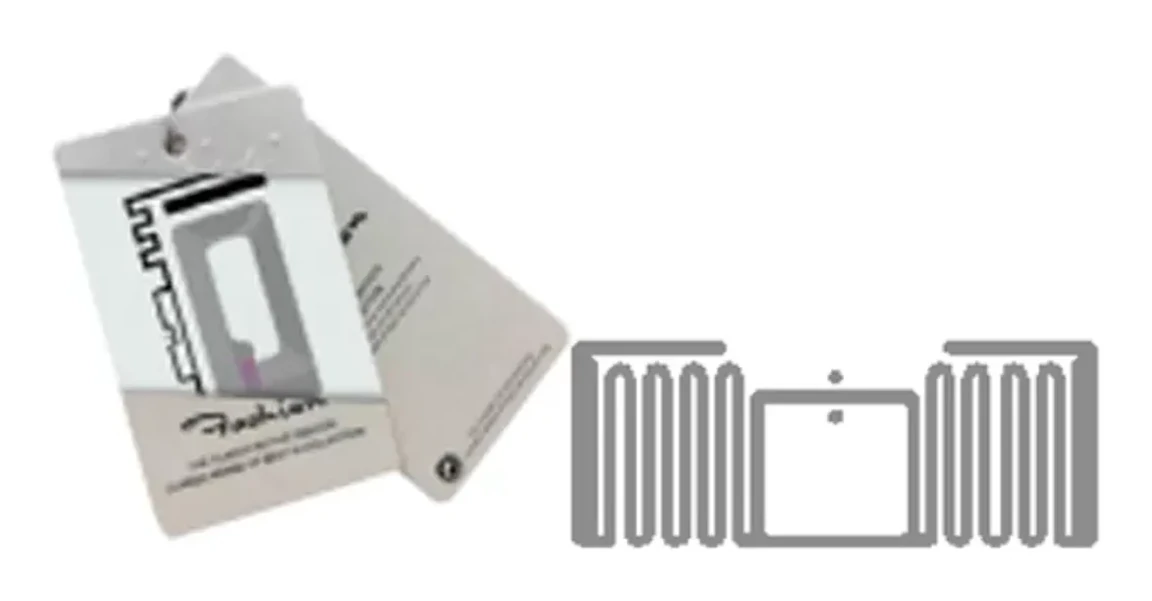
A UHF label's antenna is tuned for peak reception at a set frequency. When labels sit tightly together in a carton, they affect each other and throw this tuning off, so the chip can't get enough power to wake up. One study found that placing two labels less than 2cm apart cut the labels' power margin by 40%. At less than 1cm, detuning had the bigger effect; farther apart than that, the labels shadowing each other and interference between returning signals mattered more.[1][2]
In tests by the European EPC Competence Center (EECC), read rates dropped by as much as 85% when tightly grouped labels were read all at once, while better-performing labels dropped by only around 20%.[3] In other words, the label you choose makes a big difference.
Outer labels keep answering while less signal reaches the inside
Outer labels close to the reader are read easily and, depending on the settings, keep answering even after they've been read. Meanwhile, the labels inside, which the signal can only reach through layers of garments and labels, either don't get enough power or miss their turn to answer. And the more labels there are to read, the longer it takes to read them all.[4]
Label orientation changes how well labels read
Labels with a straight (dipole) antenna can read well from one direction and barely at all once the angle changes.[3] If garments are folded into each carton in a different direction, the number of reads can vary even when the quantity is the same.
Turning up the power won't read every label
At maximum reader power, signals bouncing off the floor and walls overlap, so read counts actually become erratic, and labels in the next carton may be read too. Power is just one of several factors that change read performance, along with product type, antenna layout, polarization and travel speed.[5]
In one case, labels that read well on store rails were read far less often once the same garments were packed tightly into cartons. Our diagnosis found three causes. The general-purpose sticker labels weren't suited to garments pressed tightly together in a carton. The reader settings weren't tuned to read through cartons. And the power was set to maximum, with reflections off the floor. So our approach was to tune the labels, reader settings, power and antenna angles all at once.
How to fix it
Choose labels made for carton receiving
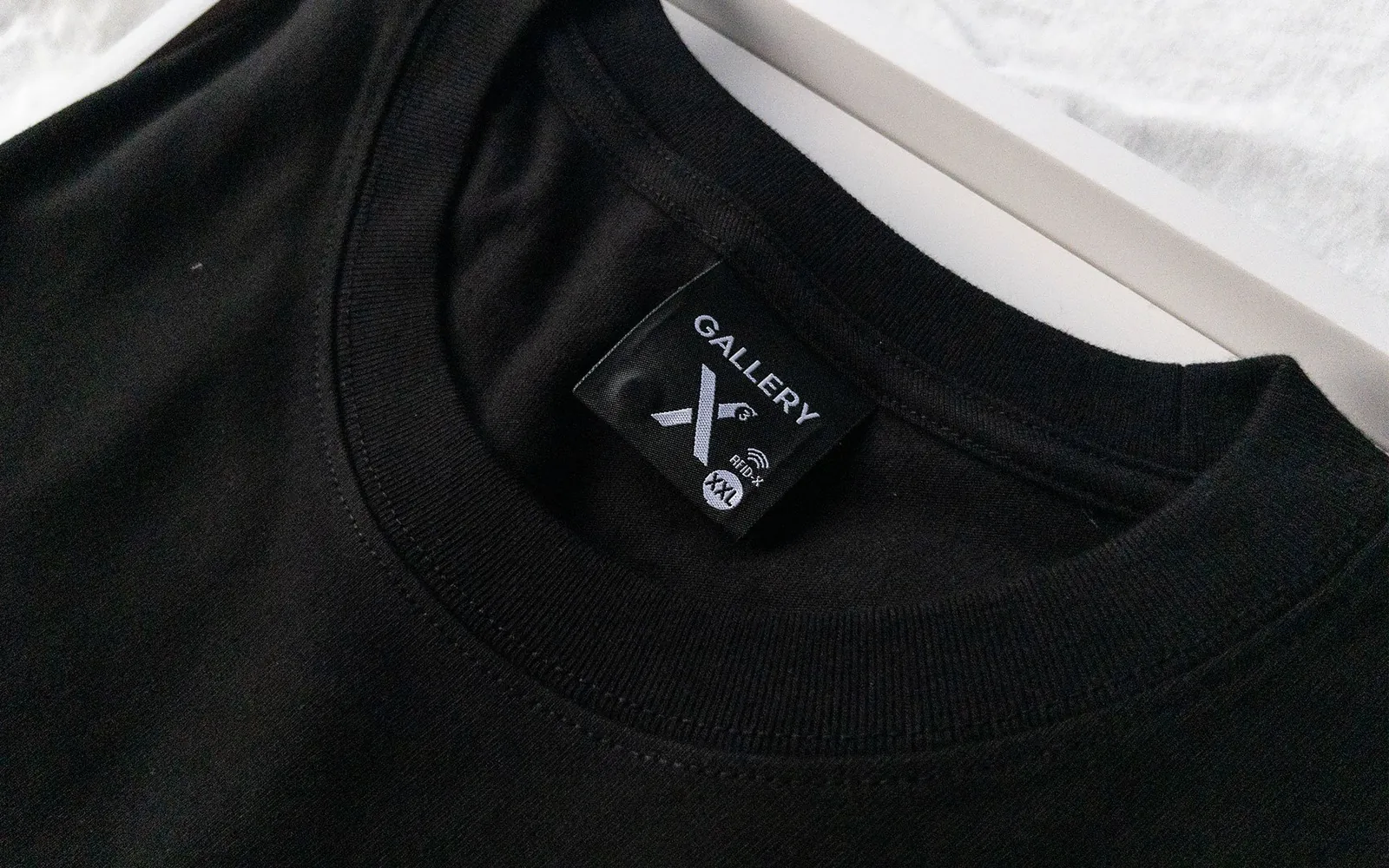
A label that reads well on store rails won't necessarily read well inside a carton. Choose labels with garments layered in a carton in mind, and decide only after comparing them with your actual garments and cartons.
Pack so labels don't sit directly on top of each other
If every garment has its label in the same spot, the labels line up on top of each other when the garments are folded and stacked. Alternating the direction of each garment spreads the labels apart. Also set the carton size and the number of garments per carton.
Set up the reader to read cartons
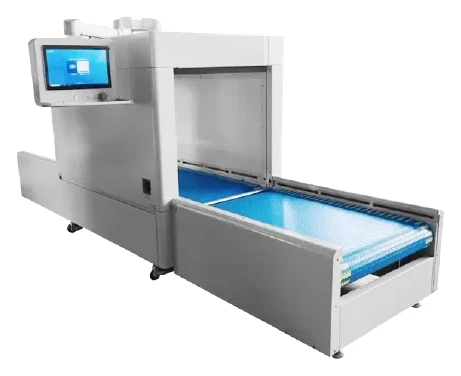
If you set labels to stay quiet for a while after they've been read, the inner labels get their turn to answer. Match the number of antennas, their positions and polarization to the direction the cartons travel.
Tune the power rather than raising it
Sometimes it works better to lower the power slightly and change the antenna angle. You get fewer signals bouncing off the floor and fewer reads from neighboring cartons.
Match the travel speed to the number of labels
The more labels in a carton, the longer it takes to read them all.[4] If the last few garments in large cartons are being missed, look at the conveyor speed and the tunnel length.
Summary by cause
| Cause | What you see | Fix |
|---|---|---|
| Labels too close together | Inner garments missed | Labels suited to cartons; alternate packing direction |
| Label orientation | Read count changes with carton orientation | Set antenna count, position and polarization; fix carton orientation |
| Outer labels keep answering | Same labels read over and over | Set the reader to rest labels once read |
| Too much power, floor reflection | Erratic counts; next carton read too | Readjust power and antenna angle on site |
| Label count and speed | Last few garments in large cartons missed | Match conveyor speed and tunnel length |
How to test
- Pack as usualPack your actual garments in your actual cartons, exactly the way you do for normal receiving.
- Vary the orientationSend the same carton through several times in different orientations and check that the read count stays consistent.
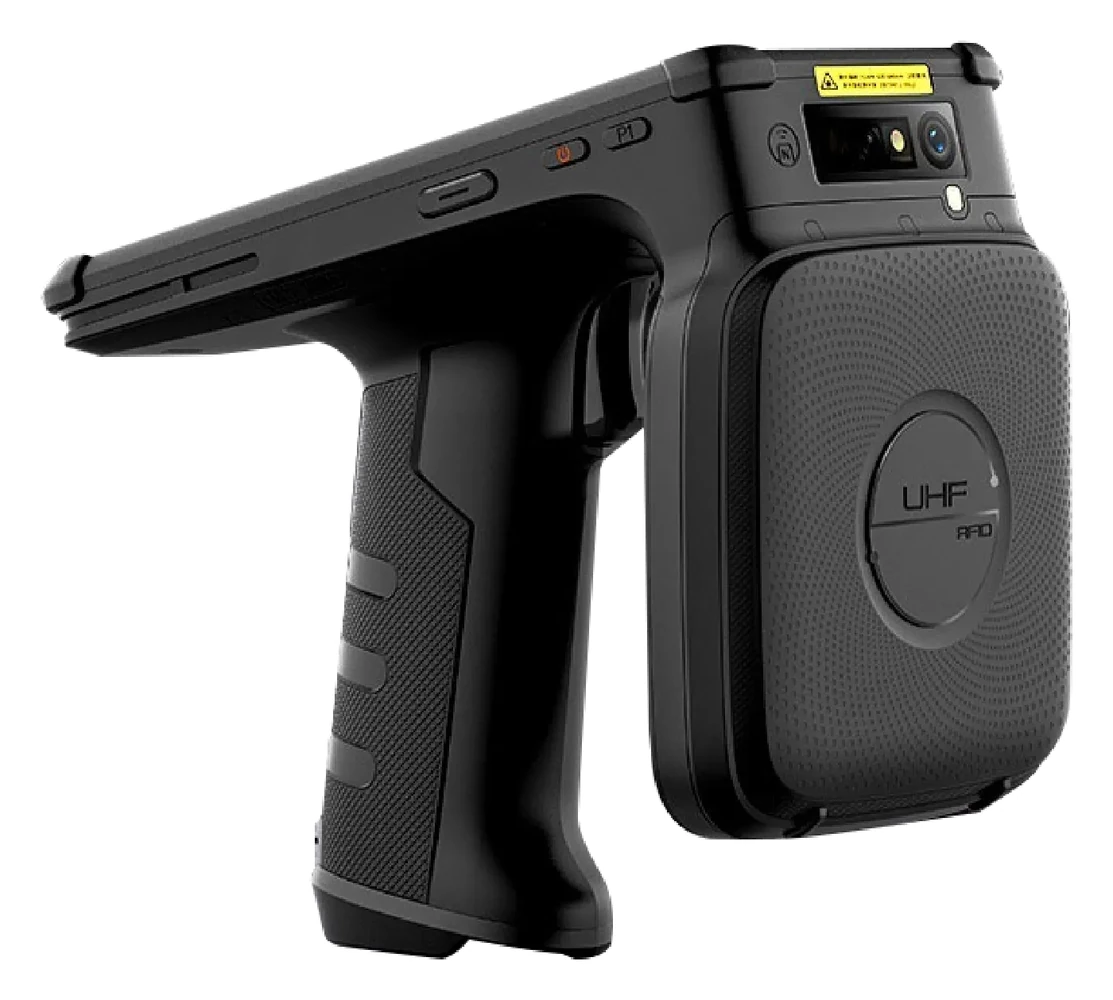
- Reconcile with the orderCompare the read count with the order quantity. Find any missed garments with a handheld reader and note where in the carton they were.
- Record the settingsKeep a record of the label, reader settings and packing method, and test again when the product changes.
Sources
- Zhang, Crisp, White and Penty, “Power margin reduction in linear passive UHF RFID tag arrays”, researchportal.bath.ac.uk
- Full text of the paper by the same researchers (PDF), core.ac.uk
- RFID Journal, “EECC Tests Find Big Performance Differences for Tags Read in Bulk”, rfidjournal.com
- Wikipedia, “Radio-frequency identification”, Bulk reading section, en.wikipedia.org
- Barge, Gay, Merlino and Tortia, “Passive ultra high frequency radio frequency identification systems for single-item identification in food supply chains”, Journal of Agricultural Engineering 48(1), 2017, agroengineering.org
Links checked in November 2026.